2 TPH Complete Pellet Plant
Industrial-scale output for serious pellet production businesses
Power
150-180 kW
Floor Area
1000-1200 sq.ft
Equipment
13 units
20–30 days
Commissioning time
4–6 persons
Operators needed
~32,000 kg
Output per 16hr shift
2 years
Equipment warranty
Plant & Equipment Images
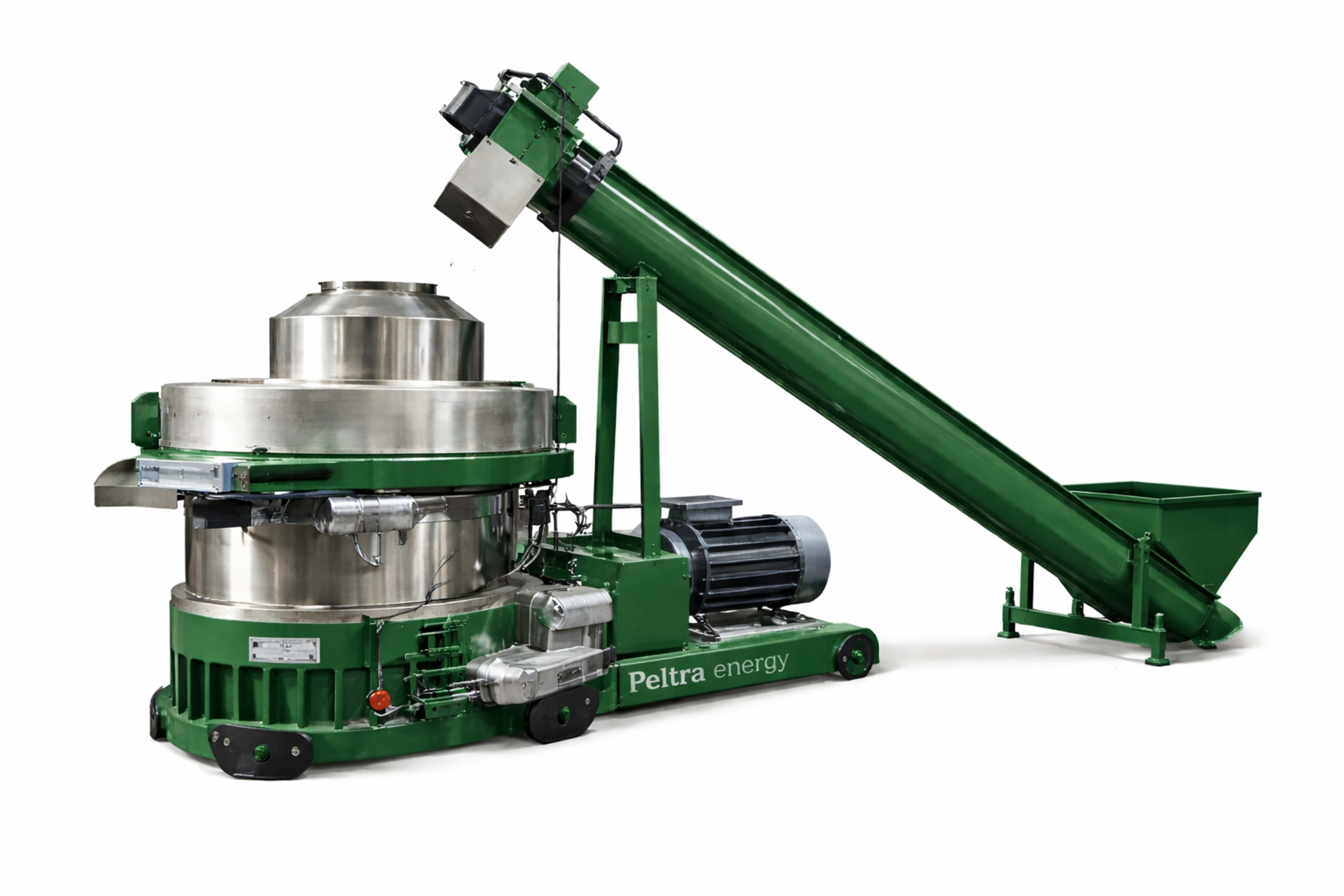
2 TPH industrial production line
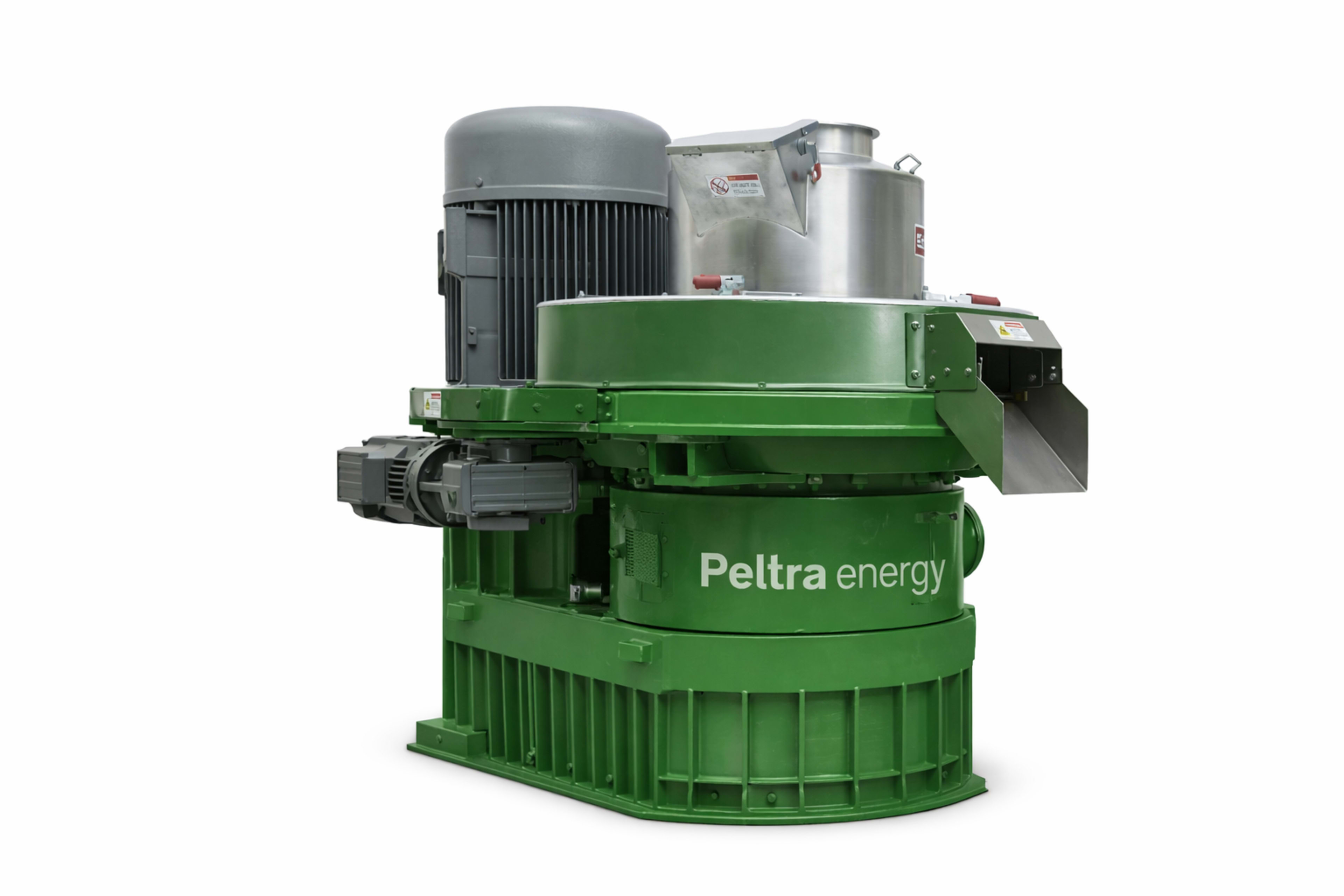
Horizontal ring die pellet mill — continuous operation design
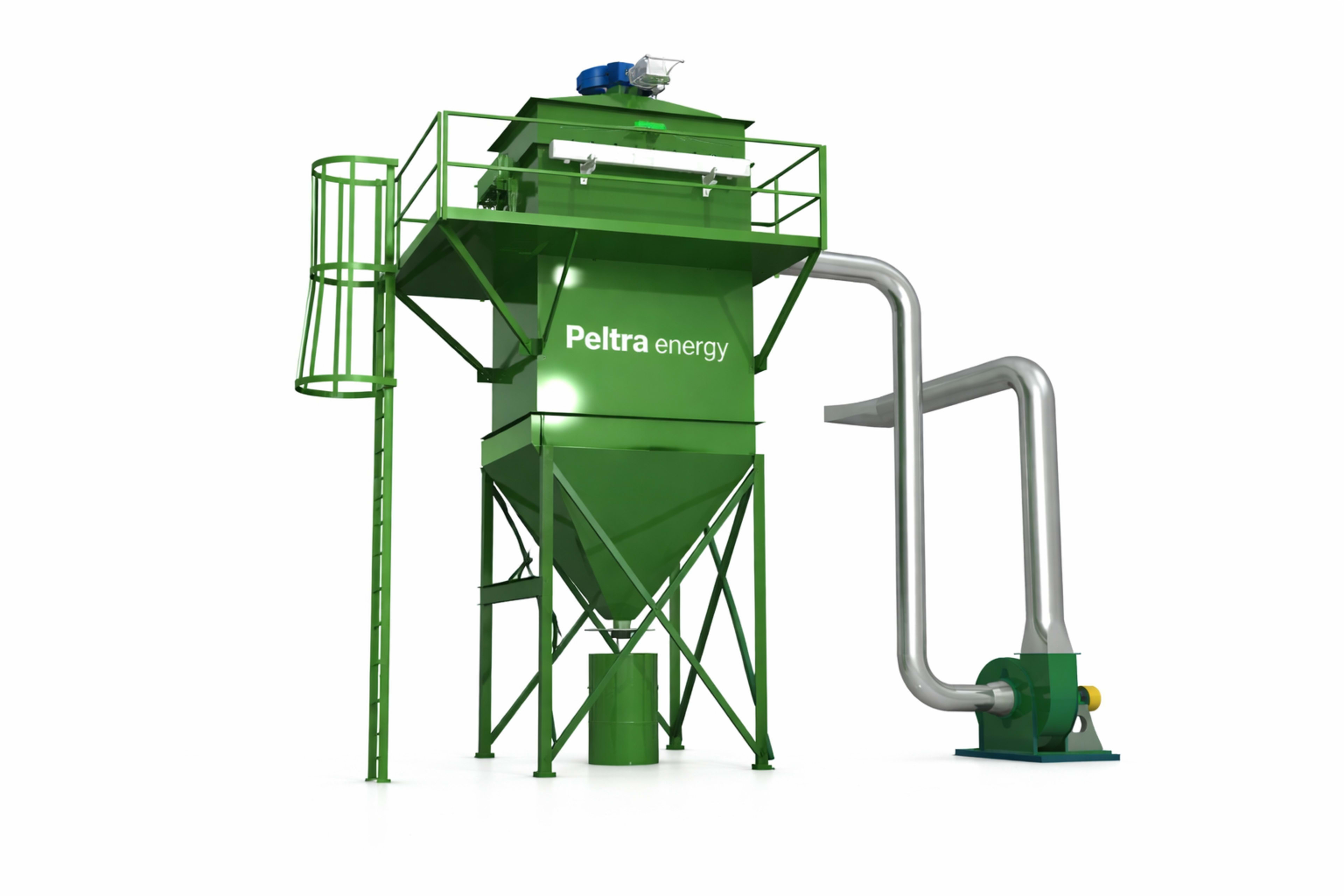
Integrated dust collection across all processing stages
Overview
About This Plant
The 2 TPH Complete Pellet Plant is a fully automated industrial production line for businesses operating at commercial scale — supplying industrial consumers, power plants, or export markets where consistent quality and volume are non-negotiable.
At this capacity, the plant uses a horizontal ring die pellet mill — the preferred choice for high-volume biomass processing. The entire line is designed for continuous 16–20 hour daily operation with minimal manual intervention, supported by automated conveying, feeding, and packing systems.
This setup includes a comprehensive dust collection system across all processing stages, making it compliant with standard industrial hygiene requirements. Civil work guidelines and electrical layout drawings are provided as part of the supply package.
Best suited for
Specifications
Technical Specifications
- Rated output
- 2,000 kg/hr (2 TPH)
- Connected load
- 230–250 kW
- Floor area required
- 2,360–2,696 sq.ft
- Shed height (minimum)
- 22–25 ft
- Pellet diameter
- 6 mm / 8 mm / 10 mm
- Input moisture accepted
- Up to 30%
- Output moisture
- Below 8%
- Pellet bulk density
- 650–700 kg/m³
- Raw material accepted
- Wood waste, sawdust, paddy straw, bagasse, agro-residue
- Typical daily output
- 32–40 tonnes (16–20 hr)
- Operators required
- 4–6 persons per shift
- Power supply
- 415V, 3-phase, 50Hz
How it works
Production Process
Bulk Material Intake
Raw biomass is received, weighed, and fed into the processing line via belt conveyor systems with automated speed control.
Size Reduction
Industrial hammer mill crushes material to uniform particle size. Multiple hammer configurations available depending on biomass type.
Drying
Large-capacity rotary drum dryer with automated temperature and moisture monitoring ensures consistent input to the pellet mill.
Pelletisation
Horizontal ring die pellet mill delivers high-density pellets at continuous throughput. Die and roller assemblies are designed for extended life.
Post-Processing
Integrated cooling, screening, and conveying line feeds directly into automatic packing with batch counting and bag sealing.
What's included
Key Features
Included Equipment(13 items)
Common questions
Frequently Asked Questions
What is the daily production capacity of a 2 TPH pellet plant?
A 2 TPH plant produces 2,000 kg of pellets per hour. Designed for 16–20 hour continuous operation, daily output typically ranges from 32 to 40 tonnes depending on shift pattern and raw material availability.
Why does a 2 TPH plant use a horizontal ring die mill?
Horizontal ring die mills handle higher throughput with better die and roller life at this capacity. They deliver more consistent pellet density under continuous load and require less frequent shutdown for maintenance compared with vertical or flat die configurations.
What is the power requirement for a 2 TPH pellet plant?
Connected load is 230–250 kW. The pellet mill accounts for the largest share, followed by the hammer mill and dryer blower. A dedicated 415V three-phase connection with appropriate transformer capacity is required.
Is dust collection included in the 2 TPH plant?
Yes. A cyclone dust collection system is integrated across the grinding, drying, and cooling stages. This maintains air quality inside the plant, reduces material loss, and helps meet standard industrial hygiene requirements.
What documentation is provided with the plant?
The supply package includes a civil layout plan, electrical single-line diagram, process flow diagram, equipment manuals, and a commissioning checklist. Our team is on-site throughout installation and trial production.
Request a Quote
We respond within 48 working hours